Eugene sees long, wet winters that test every part of a roof system. Eugene's winter weather (December–March) is a 'stress test' for your home. We build roofs to withstand: Steady Rain: High-performance barriers that prevent moisture soak. Wind-Driven Storms: Reinforced flashing that stops sideways rain. Freezing Nights: Attic systems that prevent ice buildup and condensation.. Small issues that sit all summer quietly often turn into roof leaks once the parade of storms starts up. Local homeowners who plan ahead tend to avoid emergency buckets and drywall repairs in February. Understand your roof's health: The Reality: What's actually happening up there. The Signs: How to spot trouble before it spreads. The Solution: When to call a licensed Eugene roofer for repairs or a replacement.
Winter here is not about heavy snow loads. It is about moisture, temperature swings, and wind. Asphalt shingle roofing absorbs small amounts of water during long wet spells. When rain sits on your shingles day after day, it slowly seeps into nail holes and aging barriers. Our Willamette Valley climate is tough on roofs. Constant dampness weakens shingle seals, while strong south winds drive rain sideways into transitions like vents and flashing. Without a specialized 'inside-out' system, these areas quickly become the source of hidden leaks and wood rot.
Moss infestation is another major local issue. Shaded roofs beneath Douglas firs or maples trap moisture, which feeds moss and algae growth, including Gloeocapsa magma. Moss creeps under architectural shingles, lifting edges and creating channels where water can travel uphill during storms. Once this happens, roof leaks can develop even when shingles appear intact.
Clogged gutters add to the problem. When debris blocks drainage, water backs up at the eaves, saturates roof decking, and accelerates dry rot in fascia boards. During cold snaps, this moisture can refreeze overnight and cause minor ice dams, pushing water beneath the first course of shingles.
Inside the home, early warning signs are often subtle. Homeowners may notice a musty odor after storms, light water stains on ceilings, or small paint bubbles near exterior walls. In the attic, damp roof decking, rusty nail tips, attic mold, or wet insulation indicate ongoing moisture intrusion. On the roof surface, lifted shingles, granule loss collecting in gutters, or green moss patches along north-facing slopes are common indicators. At the eaves, peeling paint or soft fascia boards point to chronic gutter overflow.
These symptoms rarely resolve on their own. They signal moisture pathways that return each winter with greater impact.
When it pours in Eugene, these areas fail most often. That's why our experts always check them first: Flashing: The metal seals around chimneys and vents. Valleys: Where two roof sections meet and water flow is heaviest. Gutters: If they clog, water backs up under your shingles.
Addressing these components early prevents the majority of winter roof leaks.
A 30-year architectural asphalt shingle roof may last its full lifespan in dry climates. In Eugene and Lane County, realistic expectations are 18 to 24 years under normal exposure and closer to 15 to 20 years on shaded homes with moss growth. Regular roof inspections, gutter maintenance, and attic ventilation help extend service life. Metal roofing systems often exceed 40 years, but still require clean gutters, sound fasteners, and proper flashing to manage constant rainfall.
Several preventative steps help protect a roof before November. Homeowners can handle basic tasks safely from the ground or schedule professional maintenance.
Anything beyond cleaning and observation warrants a visit from licensed roofing contractor in Oregon City, OR familiar with Eugene building codes, roof types, and seasonal weather patterns.
Roof repair is cost-effective when the roof has at least five to eight years of service life remaining and damage is localized. Replacing pipe boots, repairing flashing, or rebuilding a small valley often prevents interior damage. Roofs with widespread granule loss, curled shingles, sagging decking, or chronic moss infestation typically continue leaking despite spot repairs. In those cases, reroofing with proper underlayment, ice and water shield, and ventilation is the smarter investment.
If repair costs exceed 15 to 20 percent of a full roof replacement within two years, replacement should be discussed. Homeowners should also consider insurance requirements, long-term energy efficiency, and attic moisture control.
Architectural asphalt shingles with algae-resistant granules perform well in Eugene's climate. Synthetic underlayment outlasts traditional felt in persistent damp conditions. Ice and water shield along eaves and valleys protects against wind-driven rain and occasional freeze-thaw cycles.
Open metal valleys shed water faster than woven systems during heavy rain. Reinforced pipe boots last longer than basic rubber collars. For skylights, curb-mounted VELUX systems with proper flashing handle sideways rain more effectively.
On shaded roofs, zinc or copper ridge strips slow moss regrowth after professional cleaning, reducing long-term maintenance needs.
Not all winter moisture issues come from outside. Attic humidity from showers, cooking, and dryers can condense on cold roof decking, mimicking a roof leak. Proper roof ventilation balances soffit vents and ridge vents to remove moist air. Many Eugene homes suffer from blocked soffit vents or painted-over intake grilles. A proper roof inspection includes ventilation checks, attic airflow evaluation, and duct termination review.
Moss removal must be handled carefully. Pressure washing and scraping remove shingle granules and shorten roof life. A soft-wash moss treatment approved for asphalt shingles is safer, followed by gentle brushing once growth loosens. In shaded neighborhoods like Fairmount and South Eugene, maintenance cleanings every two to three years are common.
A thorough roof inspection goes beyond a driveway glance and includes photo documentation and a clear action plan.
The goal is to correct small problems before they cause interior damage during winter storms.
Local roofing contractors understand recurring failure patterns across Eugene neighborhoods from Friendly Area and South Hills to Bethel-Danebo and Santa Clara. They recognize older construction methods, common shingle brands used in past decades, and wind exposure near the Willamette River. This experience speeds diagnosis and protects manufacturer warranties.
Klaus Roofing Systems of Oregon follows an inside-out approach, treating the roof and attic as one integrated system. The team installs complete roofing systems using compatible components rather than mixing materials that fail under constant moisture. That approach keeps homes dry through Eugene's long, wet winters.
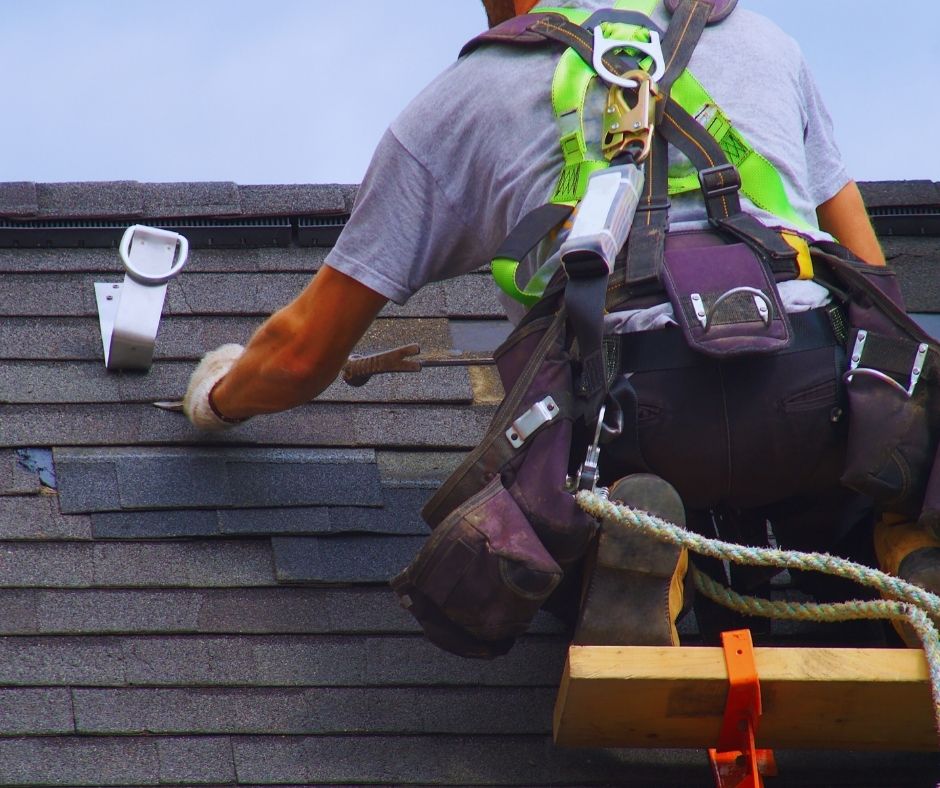
Minor winter repairs such as pipe boot replacement or flashing reseal often cost a few hundred dollars. Valley rebuilds, skylight reflashing, or spot decking repairs can reach into the low thousands. Full asphalt shingle roof replacements in Eugene typically range from the low teens to mid twenties in thousands, depending on size, pitch, layers removed, and material choice. Scheduling work in fall reduces emergency costs during peak winter demand.
Active dripping, ceiling bubbles, or the smell of wet insulation require immediate attention. Water travels quickly along framing. Temporary dry-in measures can prevent major damage, followed by permanent repairs. Chronic moss, unexplained stains, or recurring gutter overflow also justify prompt inspection.
Eugene's rainy season is predictable, and so are most roof failures. Preparation and targeted repairs reduce winter stress. For roof inspections, repairs, and full roof replacement built for Lane County weather, contact Klaus Roofing Systems of Oregon. The team serves Eugene and surrounding areas with licensed, insured service and installs that perform through long, wet winters.
Redirect to:
|
This page is a redirect. The following categories are used to track and monitor this redirect:
When appropriate, protection levels are automatically sensed, described and categorized.
|
Redirect to:
|
This page is a redirect. The following categories are used to track and monitor this redirect:
|
Roofing prices depend on experience, crew quality, and the scope of work. Skilled contractors usually charge more because they use better materials, follow safety standards, and stand behind their work. Labor often falls within a per-square-foot range, but extremely low bids are a red flag and can signal shortcuts or missing protections.
A reliable roofer should clearly explain their experience, show proof of insurance, and hold the licenses required in your area. Strong contractors also communicate the work process upfront and answer questions without pressure. Transparency matters more than flashy sales promises.
Many homeowners spread out the cost rather than paying all at once. Common options include contractor financing plans, personal loans, credit cards, or home equity products. In some cases, insurance may help if the roof was damaged by a covered event. The best choice depends on timing, credit, and long-term budget comfort.